Design Leadership
Three principles guide how I build teams, focus creative work, and deliver quality across genres and platforms.

Battlefield 6
Build and Grow the Team
Great design begins with great designers. My role as a leader is to bring together people with different strengths and perspectives, establish clear expectations for the craft, and create opportunities for them to grow. That means developing individual designers, investing in emerging leaders, and building an environment where people can challenge one another while remaining aligned around the work.
Leaders create the conditions for that growth by giving people meaningful ownership, useful feedback, and the support to take on increasingly difficult problems.
This approach to continued craft development and growth is inspired by Massimo Vignelli.
Set the Mission
Teams do their best creative work when they not only clearly understand the experience they are trying to create but, more importantly, why it matters to the player. The vision should be clear enough to guide decisions without prescribing every solution. Scope, technology, schedule, and business needs provide the critical boundaries for this creative process. They help the team focus its creativity on the problems that matter most. This is often where designers are tested the most, but, have the greatest opportunity to improve the final quality.
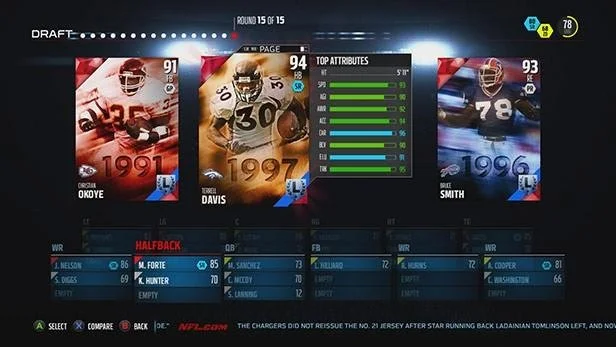
Draft Champions in Madden
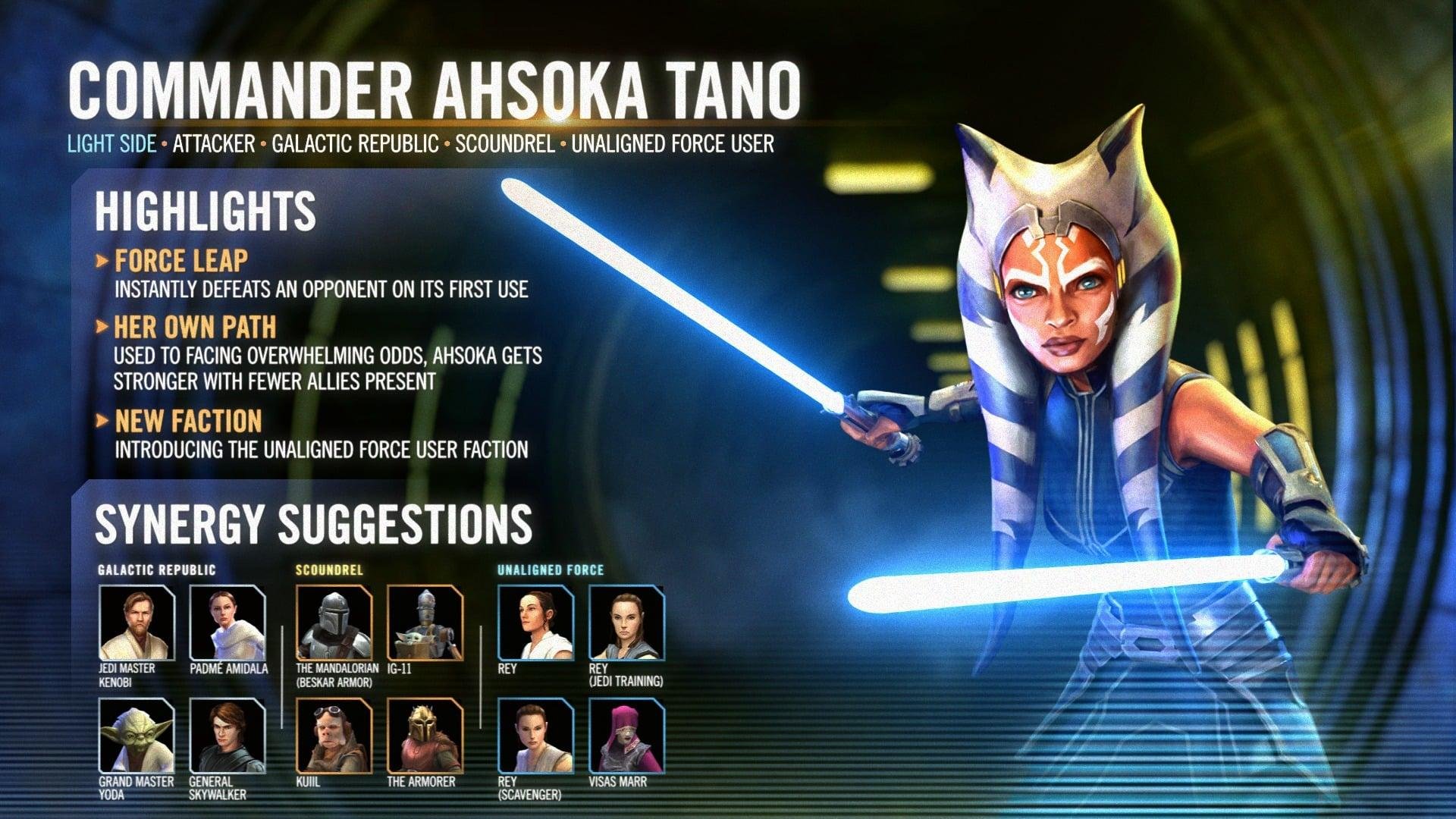
Commander Ahsoka Tano from Star Wars: Galaxy of Heroes
Design for the Player
Designing for the player requires looking beyond personal preference. I start with understanding the intended player archetype, the motivations that bring them to the game, and the experience we want them to have. From there, data, playtesting, research, and community feedback help us understand whether the design is delivering on that promise.
This is how you find the important balance between the player feedback, and aligning it with the final vision for the product.